
Morning Eye Crust & Irritation: Is It Denver’s Winter Heating or Seasonal Allergies?
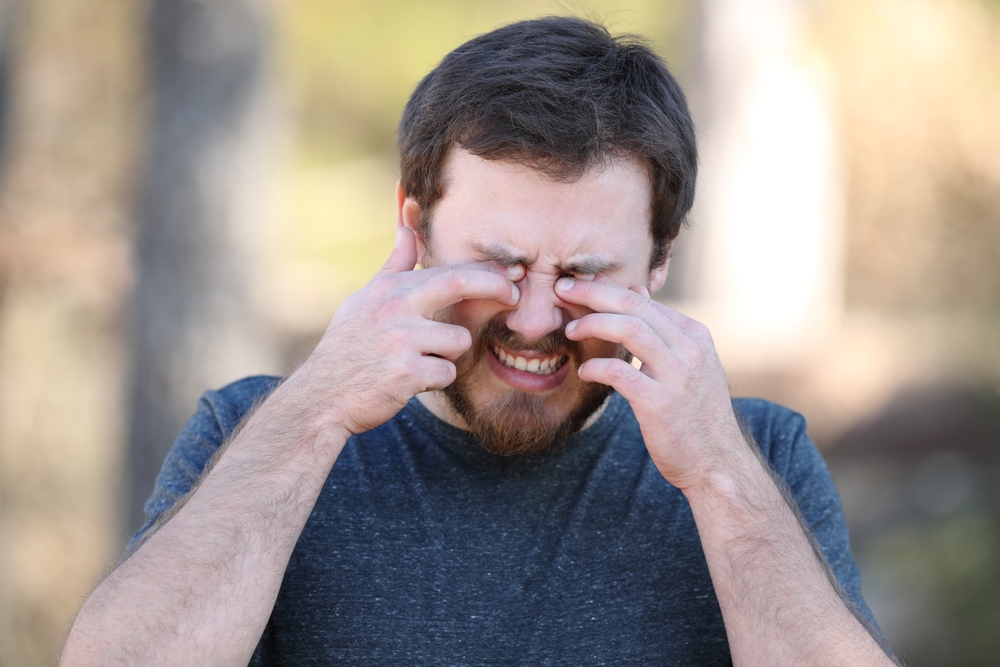
Waking up with a small amount of crust around your eyes is common. Tears, natural oils, mucus, and skin cells can collect at the corners of the eyes while you sleep. However, when morning eye crust is accompanied by persistent irritation, redness, burning, or itching, something else may be affecting your eyes.
In Denver, winter heating and seasonal allergies can both contribute to uncomfortable eyes. Because the symptoms can overlap, understanding the differences can help you know when it is time for an eye exam.
How Winter Heating Can Dry Out Your Eyes
Denver already has a dry climate, and indoor heating can reduce humidity even further during colder months. Spending hours in heated homes, offices, and vehicles may cause tears to evaporate more quickly.
When the tear film becomes unstable, your eyes may feel gritty, scratchy, tired, or watery. Dry eye can also contribute to thicker mucus or additional buildup around the eyelids in the morning. Patients with meibomian gland dysfunction, or MGD, may notice more symptoms because the oil-producing glands along the eyelids are not adequately protecting tears from evaporation.
Signs that dry eye may be contributing to your symptoms include:
- Burning, stinging, or gritty sensations
- Red or irritated eyes
- Watery eyes despite feeling dry
- Fluctuating or blurry vision
- Morning crust or mucus around the eyelids
- Discomfort that worsens around indoor heat, wind, or prolonged screen use
Could Seasonal Allergies Be Causing Eye Irritation?
Eye allergies can also cause redness, tearing, swollen eyelids, and mucus. One of the biggest clues is itching. If your eyes become especially itchy after exposure to dust, pet dander, mold, or seasonal allergens, allergies may be contributing to the irritation.
Heating systems can sometimes make allergy symptoms more noticeable by circulating indoor dust and other particles. This means Denver patients may experience dry eye and allergy symptoms at the same time, particularly during the winter months.
Rubbing itchy eyes can make inflammation worse, so persistent symptoms should be evaluated rather than repeatedly treated with whatever eye drops happen to be available.
When Morning Eye Crust Needs an Eye Exam
Occasional mild buildup is usually not concerning. However, heavy discharge, significant redness, eye pain, light sensitivity, swelling, or eyelids that repeatedly become crusted shut should be evaluated. These symptoms can sometimes indicate an eye infection or another condition rather than simple dryness or allergies.
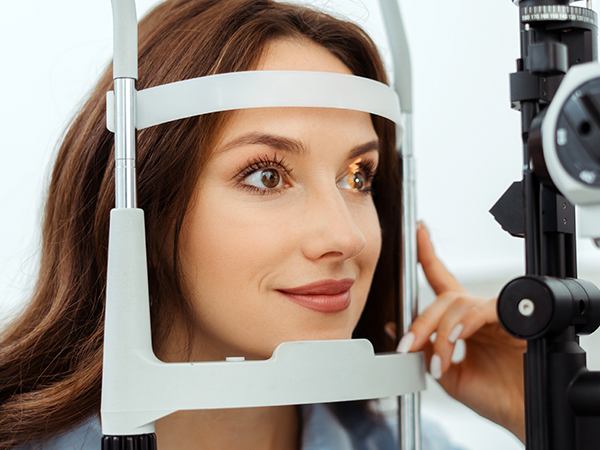
At Highlands Eyecare, we can examine the tear film, eyelids, and ocular surface to determine what may be causing ongoing irritation. Identifying whether your symptoms are related to dry eye, MGD, allergies, or another eye condition allows us to recommend care based on the underlying cause.
If Denver’s dry winter air, indoor heating, or seasonal allergies are leaving your eyes irritated each morning, contact Highlands Eyecare in Denver, CO at (303) 455-0888 to schedule an eye evaluation.
Helpful Articles
article_category: products
article_category: psychiatry
article_category: faqs
article_category: cats
article_category: general
article_category: services
article_category: technology
article_category: dogs
article_category: restorative
article_category: vision therapy
article_category: contact lenses
article_category: health
article_category: conditions
article_category: eye surgery co-management
article_category: exotic
article_category: cosmetic
article_category: surgical procedures
article_category: aesthetics
article_category: preventative
article_category: ocular disease management
article_category: eyeglasses
article_category: eye health
article_category: large animal
[]
article_category: psychiatry
article_category: faqs
article_category: cats
article_category: general
article_category: services
article_category: technology
article_category: dogs
article_category: restorative
article_category: vision therapy
article_category: contact lenses
article_category: health
article_category: conditions
article_category: eye surgery co-management
article_category: exotic
article_category: cosmetic
article_category: surgical procedures
article_category: aesthetics
article_category: preventative
article_category: ocular disease management
article_category: eyeglasses
article_category: eye health
article_category: large animal
[]
Flowbite is an open-source library of interactive components built on top of Tailwind CSS including buttons, dropdowns, modals, navbars, and more.
Check out this guide to learn how to get started and start developing websites even faster with components on top of Tailwind CSS.
All Eye Care Services
Find personalized eye care excellence with our comprehensive services. From eye exams to advanced diagnostics, trust us for all your vision needs.

Keep In Touch
For non-urgent questions or to learn more about our services, contact us today!

Hours of Operation
- Monday 8:30am - 3:00pm
- Tuesday 8:30am - 5:00pm
- Wednesday 8:30am - 5:00pm
- Thursday 8:30am - 5:00pm
- Friday 8:30am - 3:00pm
- Saturday BY APPOINTMENT
- Sunday Closed
Open every other Saturday, by appointment.
If you are experiencing an ocular emergency after hours, please contact Dr. Le at 720-345-7629, or go to your nearest emergency room.
© 2026 Highlands Eyecare. All rights Reserved - Accessibility Statement - Privacy Policy - Sitemap
Managed and Designed by 