
Beyond Artificial Tears: Advanced Medical Dry Eye Relief Built for Mile High Air
Beyond Artificial Tears: Advanced Medical Dry Eye Relief Built for Mile High Air
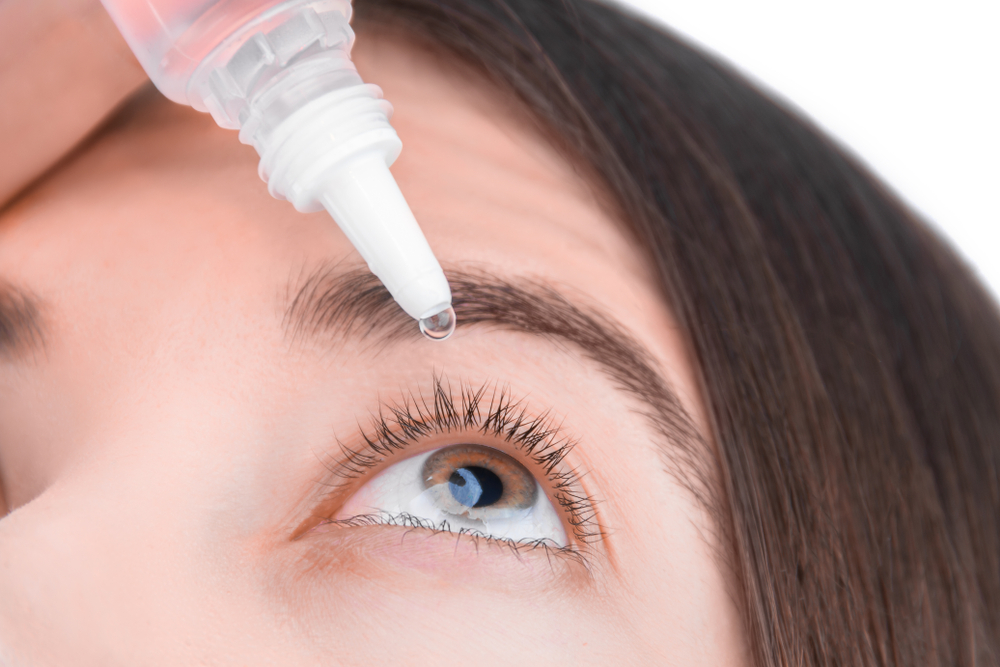
Living in Denver has plenty of benefits, but the dry climate, high elevation, sun exposure, wind, and indoor heating can all make dry eye symptoms harder to ignore. In Mile High air, tears can evaporate more quickly, leaving the eyes feeling irritated, gritty, watery, or tired by the end of the day.
Many people reach for artificial tears first, and while they can provide short-term comfort, they do not always address the reason dry eye is happening. For lasting dry eye relief, the key is understanding what is affecting the tear film and treating the underlying cause.
When Artificial Tears Are Not Enough
Dry eye is often more complex than simply “not making enough tears.” Many patients have evaporative dry eye, which is commonly linked to meibomian gland dysfunction. These glands produce the oil layer of the tears, helping keep moisture on the surface of the eyes. When the glands become clogged or inflamed, tears evaporate too quickly.
Dry eye can also be connected to allergies, contact lens wear, screen use, medications, aging, autoimmune conditions, eyelid inflammation, or past eye surgery. Because several factors can overlap, professional diagnosis matters.
Signs You May Need Medical Dry Eye Treatment
If your symptoms keep coming back, it may be time to look beyond basic drops. Common signs of chronic dry eye include:
- Burning, stinging, or scratchy eyes
- Redness or irritation
- Watery eyes, especially in wind or dry air
- Blurry or fluctuating vision
- Light sensitivity
- Eye fatigue during reading or computer use
- Contact lens discomfort
- A gritty feeling, like something is in the eye
These symptoms can interfere with daily comfort, work, driving, and clear vision if they are not properly managed.
How Advanced Dry Eye Care Helps
At Highlands Eyecare, dry eye treatment starts with a detailed evaluation of your symptoms, tear film, eyelids, and ocular surface. Instead of guessing, your eye doctor can look for signs of inflammation, gland blockage, poor tear quality, or other issues that may be contributing to discomfort.
Advanced medical dry eye relief may include targeted treatments designed to improve tear quality, support the oil glands, reduce inflammation, and protect the surface of the eye. Depending on your needs, your care plan may include prescription eye drops, in-office treatments, eyelid hygiene guidance, warm compress therapy, nutritional recommendations, contact lens adjustments, or other medical dry eye solutions.
Why A Personalized Plan Matters
Dry eye treatment works best when it is built around the cause of your symptoms. A patient with screen-related irritation may need a different plan than someone with meibomian gland dysfunction, allergies, or autoimmune-related dry eye. Denver’s dry climate can also make symptoms more persistent, which is why ongoing care and monitoring can be important.
A personalized plan can help improve comfort, reduce flare-ups, and protect long-term eye health. It can also help you rely less on frequent artificial tear use and feel more confident about your day-to-day vision.
For advanced dry eye relief in Denver, CO, schedule an appointment with Highlands Eyecare at (303) 455-0888.
Helpful Articles
article_category: restorative
article_category: vision therapy
article_category: contact lenses
article_category: health
article_category: conditions
article_category: eye surgery co-management
article_category: exotic
article_category: cosmetic
article_category: products
article_category: psychiatry
article_category: faqs
article_category: cats
article_category: general
article_category: services
article_category: technology
article_category: dogs
article_category: surgical procedures
article_category: aesthetics
article_category: preventative
article_category: ocular disease management
article_category: eyeglasses
article_category: eye health
article_category: large animal
[]
article_category: vision therapy
article_category: contact lenses
article_category: health
article_category: conditions
article_category: eye surgery co-management
article_category: exotic
article_category: cosmetic
article_category: products
article_category: psychiatry
article_category: faqs
article_category: cats
article_category: general
article_category: services
article_category: technology
article_category: dogs
article_category: surgical procedures
article_category: aesthetics
article_category: preventative
article_category: ocular disease management
article_category: eyeglasses
article_category: eye health
article_category: large animal
[]
Flowbite is an open-source library of interactive components built on top of Tailwind CSS including buttons, dropdowns, modals, navbars, and more.
Check out this guide to learn how to get started and start developing websites even faster with components on top of Tailwind CSS.
All Eye Care Services
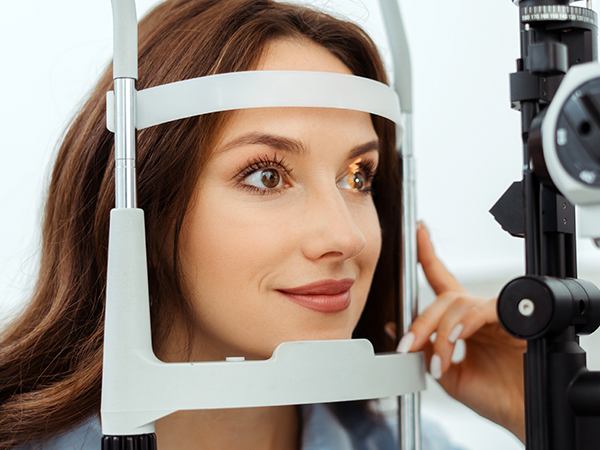
Find personalized eye care excellence with our comprehensive services. From eye exams to advanced diagnostics, trust us for all your vision needs.

Keep In Touch
For non-urgent questions or to learn more about our services, contact us today!
Hours of Operation
- Monday 8:30am - 3:00pm
- Tuesday 8:30am - 5:00pm
- Wednesday 8:30am - 5:00pm
- Thursday 8:30am - 5:00pm
- Friday 8:30am - 3:00pm
- Saturday BY APPOINTMENT
- Sunday Closed
Open every other Saturday, by appointment.
If you are experiencing an ocular emergency after hours, please contact Dr. Le at 720-345-7629, or go to your nearest emergency room.
© 2026 Highlands Eyecare. All rights Reserved - Accessibility Statement - Privacy Policy - Sitemap
Managed and Designed by 